Are you getting enough water during the winter? Runners and other athletes are at increased risk of winter dehydration due to increased sweat losses without feeling thirsty. In cold weather it can be harder to stay mindful of your fluid intake. And with adequate intake set as 9c for women and 13c for men, this can be difficult to achieve. So, beyond plain water what counts that can increase your fluid intake? Soup and broth. After an outdoor mid to long distance run, I heat a mug of water with a teaspoon of instant chicken stock/bouillon. Along with this nice warm up, add hot chocolate, hot herbal tea, and even a little decaf coffee. To keep up on fluids, try to drink a glass of water before each meal and while you cook.
A Mindful Thanksgiving
As the Thanksgiving Holiday is fast upon us…. How are you framing your day? What is your thought process? Are you going into the day ready to FEAST? Or are you worried about OVEREATING? What if this wasn’t the case at all???
As I spent most of my week addressing the holiday meal with clients, I think it is important for all of us to BE MINDFUL. Mindful of everything that is Thanksgiving.
Thanksgiving did not begin as a day of gluttony kicking off the holiday eating season, nor was it always followed (or paired with) overspending, crowds, and mall madness. The first Thanksgiving (1621) was a simple gathering focused on bringing people together and reflecting on what we are thankful to have.
So as you gather for the Thanksgiving Meal, I encourage you to be mindful of why you are gathering, appreciate the company of others, and honor what your needs are with regard to eating. I cannot prescribe your eating pattern for the day, but if you honor your hunger and fullness, and strive to not deprive yourself, the Thanksgiving Meal can be an opportunity to nourish yourself and cultivate the relationships you value.
HAPPY THANKSGIVING EVERYONE! I am thankful for each and every one of you.
The RSD and you Show with Stephanie Maberry 11/16 by Joeygiggles | Blog Talk Radio
More on Functional Foods
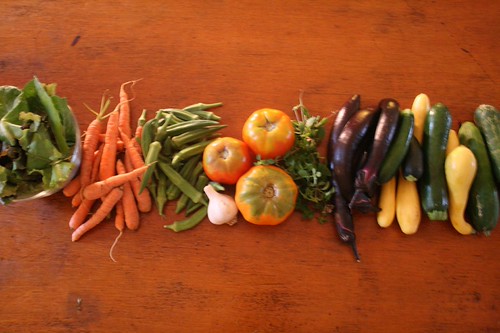
Functional Foods or Superfoods exert health benefits beyond basic nutrition. One such benefit is the antioxidants and phytochemicals in fruits and vegetables which can prevent cancer.
Superfoods include fruits and vegetables, and whole grains. These properties can also be added to other foods with are referred to as “fortified”. Some dietary supplements may also contain functional food properties however evidence-based research supports the “whole food” approach over supplements.
You do not need to look far and wide for these Functional characteristics. Don’t be surprised if you are actually already eating these foods now and don’t need to purchase some exotic plant at a specialty store. Many traditional foods are being discovered/studied for their functional capacity. The key is to increase your intake of these foods for superfood benefits while limiting your intake of foods which can harm your health like those containing trans fats that harm your cardiac health.
By knowing which foods can provide specific health benefits, you can make food and beverage choices that allow you to take greater control of your health. Below is a link to information on Functional Foods.
http://www.foodinsight.org/Content/3842/Final%20Functional%20Foods%20Backgrounder.pdf
My posting to The View regarding Dr. Lindsey Duncan
Wow I am alarmed by your feature on Super Foods. This is not what a Registered Dietitian (the leading expert/authority on nutrition) would typically consider super foods as. Super Foods (AKA Functional Foods or Nutriceuticals) provide a health benefit beyond basic nutrition. They can be naturally occurring in a food like oatmeal which contains beta glucan to reduce cholesterol. Another example the many phytochemicals in fruits/vegetables which have been shown to prevent cancer by neutralizing free radicals. A functional food can be created by enriching or fortifying a different food with the substance that provides health benefits.
The “Doctor” you featured mentioned that there are no are no side effects, just like there are no side effects to garlic. Well sorry to say, this is untrue. For example, garlic would be contraindicated on someone on Coumadin as it can further thin the blood! Also, some of the products Dr. Duncan discussed may not be considered a food, but rather as a “supplement” which does not go through the same FDA review for safety/health. Green coffee bean contains caffeine which does in fact include side effects! Current research on green coffee bean is limited as well. Caffeine in general can cause insomnia, restlessness, stomach upset, nausea and vomiting, increased heart rate, increased respiration. In our society, there is a common trend that if a certain amount is good than more must be better! So, consuming large amounts of caffeine through this supplement may result in headaches, anxiety, agitation, ringing in the ears, and irregular heartbeats. Taking in excess caffeine leaches the bones of calcium which is needed to prevent osteoporosis. Those with cardiac health problems or on certain medications may be instructed to only have decaf coffee, therefore this supplement may also be unsafe. In 2010, the FDA issued a “warning letter” to Xenedrine for including a label claim that the green coffee bean extract reduced the amount of carbohydrate absorbed. The FDA concluded that research in humans did not substantiate this claim. I would not recommend products containing green coffee bean extract as there is limited research on its effectiveness in general, in addition to not going through stringent FDA trials/analysis due to marketing as a supplement. Raspberry Ketones are another supplement in this category! Let’s be clear these are not foods and are not well studied for effectiveness as well as safety. To further illustrate my point, do you remember ephedra which was in many weight loss drugs? It wasn’t until serious health effects (heart attack, death) occurred that regulations were made banning the use.
The first step in evaluating a product should include assessing the reliability of the source. If they are funded or receive financial gain as a result of promoting the product, one should question the credibility of the information. If I were selling a supplement and published a study on it or promoted its sale, this would be an alert that I may not provide an unbiased view. Lindsey Duncan sells supplements including the green coffee bean extract that he promotes. I would be cautious with how well he will present an accurate portrayal of the product since it impacts his financial gain. In addition, if only the positives are presented, it raises the question as to whether the person is a credible source of information. Then it is important to evaluate the credentials of the person for credibility. Do they have the expertise in the area? I would like to know more about Lindsey Duncan’s credentials and education to determine this. His background seems vague. I could not determine what education he has gone through to become a Naturopathic Doctor (ND). Only 16 states in the US recognize the credential of ND. ND training includes basic medical diagnostic tests and procedures such as medical imaging and blood tests, as well as vitalism and pseudoscientific modalities such as homeopathy. Some states do view the ND as similar to a primary care physician. The scope of practice which determines what a particular health professional is able to do varies widely based on location, and naturopaths in some unregulated jurisdictions may use the Naturopathic Doctor designation or other titles regardless of level of education. Critics of the ND indicate that “evidence based practice/medicine” is not included in this profession. Meaning that as other professions are moving towards basing recommendations on scientific evidence, naturopathy is not. Now moving on to the letters “CN”. A CN is not a registered dietitian. In some cases it is a “certified nutritionist” whose education include 6 distance learning courses followed by a test. This is not a qualified nutrition professional. Unless a state has licensure over the term “nutritionist” the title can be used without professional expertise. For example, I am a LDN (Licensed Dietitian and Nutritionist) because the state of Pennsylvania has established licensure for the term “nutritionist” which prevents unqualified individuals from calling themselves nutritionists. A Registered Dietitian is the professional that can be considered a Nutritionist in Pennsylvania. However, in New Jersey (where I was raised) licensure for the term “nutritionist” has not been passed yet. Technically, a plumber in NJ could hang a sign outside calling himself a “Nutritionist”, so an RD (Registered Dietitian) is the credential to look for when seeking nutrition advice. In Lindsey Duncan’s web introduction, it became evident that he may be using the term “CN” to abbreviate “celebrity nutritionist”. To me, this is highly deceiving.
Going forward, I would strongly urge The View to consult Registered Dietitians with regard to segments on nutrition, weight loss, supplements, etc. The Academy of Nutrition and Dietetics (www.eatright.org) can provide you with RDs who are available for such segments as well as a plethora of nutrition information that is evidence based. Some of us are just as congenial as people who are typically featured to sensationalize nutrition.
How do we measure success: Quality vs. Quantity?
Quality= how good you do something
Quantity= how much you are able to do
Well it is the end of my week and as I looked back at my “work” (private practice dietitian), I was initially disappointed because the number of clients I saw was not what I expected for the week, nor where I’d like to be. But upon further thought, I reflected on each of my sessions, and thought about the great progress my clients are making because of our “quality work”. I really enjoyed all my clients this week. There was a large focus on mindful eating and awareness of conducive eating environments.
So it is my challenge to myself to go beyond the numbers (client volume) when measuring my success as a private practice dietitian. The clients I see right now are making positive changes to fit their lifestyle through my “work” and many have expressed to me that I have made a difference in how they approach food/eating. I cannot wait for my practice to grow so I can help more people live a healthier lifestyle while maintaining my focus on quality!
Measuring Up To Overall Health
Your overall health and risk of diseases like diabetes and heart disease are highly influenced by your body fat. Weighing in on the scale is not enough! So, what’s the best measurement?
Body Mass Index (BMI) is an equation for weight to height ratio however is not specific enough to differentiate muscle from fat mass. Someone could have a normal BMI, yet excess fat mass. Conversely, athletes tend to have elevated BMIs and lower body fat percents.
Body fat percentage is measured in an outpatient setting using skin fold calipers or bioelectrical impedance. So if you have been working out consistently and have hit a plateau, it is a good time to have your body fat measured. Perhaps you are increasing muscle mass while decreasing fat mass. Body fat percent is a range so an assessment will show how much fat mass you can safely lose. It is most important to know if your percent body fat poses health risks.
Waist circumference and waist to hip ratio is another assessment, mainly to gauge the central tendency to deposit abdominal fat. This increases risk for heart disease, hypertension, and diabetes.
With all these measures it can become difficult to understand which one is superior. And what if one measure is normal but another is abnormal. I like to view these measures collectively. So, I assess them all. Then I take the average of the person’s anthropometrics along with the nutrition focused physical assessment and review of their current food intake to determine associate health effects and criteria for overweight and obesity.
Remember, in order to maintain a healthy weight and avoid chronic disease it is important to make good food choices like including a variety of fruits and vegetables and engaging in moderate physical activity outside your daily tasks most days!
Fish Oil- a pill worth swallowing?
Recent evidence based studies have found that fish oil supplements may not be beneficial in cardiovascular events in patients with risk-factors vs. patients not on supplements. One reason is because these patients were already well controlled with medication. This is in contrast to early studies. Based on current evidence based studies, it does not seem paramount to recommend a fish oil supplement.
However, people should still include fish in their diet twice a week as part of a healthy diet.
Media/Technology & Nutrition
I was watching”The Doctors” today on CBS and actually was impressed with most of the nutrition segment!
They discussed Genetically Modified Foods & an app to review the “nutrients” in your foods for whether it contains genetically modified organinsms (GMOS). I do encourage everyone to review the text about this episode, watch the 1st 30min of the show if it is available “on demand”, or any clips on the site. http://www.thedoctorstv.com/main/show_synopsis/1004?section=feature&title=What%20are%20GMOs?
But… I want to go 1 step further!!!! I’m weighing in!!!!
The “Fooducate” App: http://www.fooducate.com/
Well the app likes to give grades so I will follow suit. They get a B-.
Good use of pictures and lists. Simple to use. Sticks to important info, but loses points when it comes to their rating system in “my book”. I did a test where I compared the grades and info provided for Butter vs. Country Crock Margarine. Butter got a C- and lost points for being high in saturated fat, while the margarine got a B- and lost points for containing EDTA (on the FDA toxicity watchlist). What about the partially hydrogenated oil? Why was that omitted from the list of negatives for the margarine? Also I am a proponent for eating real foods including the foods that are high in fat, but in small amounts. So butter can be a part of my meal pattern but I would only use 1 teaspoon on my toast! I think our society has shifted towards eating “nutrients” as expressed in the book In Defense of Food and we have a lot of additives in the foods we eat. So along with my philosophy to eat as close to the ground as possible and limit the steps in the production of my food, Butter fits while artificial margarine does not.
GMOs:
Well being an individual that wants to eat as healthy as possible, but does not necessarily choose organic items (cost based), I am very leery of GMOs in our food supply! The more we process our food already the more problems we seem to develop. Food allergies are on the rise. Even the risk of distroying a “real” type of fruit/vegetable seems like a possibility through genetic modification still to me. But then, what does it do in my body?
PLU Codes Reviewed:
Genetically Modified: unclear if a code really exists but if it did sources say it is 5 digits long and begins with the #8
*I’ve never seen a crop directly available to the public. Most often, GMO produce is used in other foods or fed to other animals like feeding GMO corn to cows.
Conventionally Grown- 4 digits long, begin with the #4
Organic- 5 digits long, begin with the #9
Thought-Spitation for Sunday 8/12/12
“A year from now you may wish you had started today.”
~ Karen Lamb
That’s right, plain and simple. What you are putting off today may end up being a regret next year. It is hard to stay motivated in an en devour and even harder to begin a new one. There is always fear of the unknown. What if it doesn’t work out? What if you are not good at it? What if it takes too much time? These are often the questions we feel anxious asking ourselves but more often we simply shut down. We decide that we cannot begin that new goal that has plagued our minds for so long because: it just won’t work, we are not good at it, and we don’t have time fopr it in our already busy lives. But what if… you were good at it and it ends up being the best decision in a long time. Well that is the risk you need to embrace and take. If there is something you have been meaning to start, today is your day! No excuses. If you resolve to do something, you will get it done.
And a year from now… you may look back on all the wonderful progress you have made.
Olympic Finish For Greek Yogurt
Olympic Finish For Greek Yogurt
Chobani is the officially sponsor of the 2012 U.S. Olympic Team and the U.S. Olympic Sports Dietitians endorse including Greek yogurt as part of a balanced diet for Olympic athletes.
Greek yogurt is also a nutritious food to include in the recreational athletes diet as well as as a healthy way to meet the recommended calcium and protein requirements daily.
But is Greek yogurt really “Greek”? And what makes it Greek? Don’t be fooled by the brand names as to date all are made in the U.S.: Chobani, Oikos, Vaskos, and Fage. Greek refers to the style of making the yogurt. Greek style yogurt is strained more to remove most of the whey, lactose, and sugar, also accounts for the higher protein content. However, regular yogurt is a better source of calcium.
So why is Greek yogurt taking the gold medal ?
Many people report feeling full longer from Greek yogurt. Satiety may be correlated to the protein content and small amount of fat. The thicker texture may generate feelings of satisfaction.
Gold Medal Nutrients (Underlined)
Per Cup Regular vs Greek
Calories 130 140
Protein 14g 24g
Carbohydrate 19g 9g
Sugar 9g 7g
Sodium 190mg 80mg
Calcium 490mg 200mg
My favorite benefit: versatility! Greek yogurt can be part of many recipes from burgers to baked goods or as a substitute to higher fat dairy products in sauces, dips, and some main dishes. Yogurt tends to separate when heated, so substituting a large quantity like in stuffed shells may end up runny.
Eating a variety of low and fat free dairy products has been shown to improve weight loss and promote weight maintenance. So while Greek yogurt is taking over the dairy case, making regular yogurt seem inferior, both can be part of a balanced diet.
Rainy Day Blues? Have an indoor BBQ!
Well first we were hit with the heat and humidity, and now the rain has moved in, but that doesn’t mean dinner has to go back to boring staples or take out. Before you pick up the phone and call the pizza delivery guy, consider having an indoor BBQ!!!!

I know most of you still have a George Foreman Grill, so take it out of storage and start grilling those chicken breasts, low-fat turkey burgers, lean hamburgers, and even veggie burgers. (Or fire up the broiler on the oven as an alternative.)
Let a pot of Baked Beans simmer on the stove top for a sweet yet fiber packed addition to your indoor BBQ. Baked beans have gotten a bad wrap lately as being full of sugar and “fattening” but stick with the original/plain variety and you can add nutritious variety to your meal.
1/2c Bush’s Original Baked Beans = 140 Calories, 1g Fat, 29g Carb, 5g Fiber, 6g Protein, 55og Sodium (*choose low sodium options the rest of the day to balance out sodium intake).
What BBQ is complete without corn on the cob? But instead of waiting for the corn to cook in the pot of boiling water, try this speedy indoor trick: Place whole ears in the microwave without removing the husk! Set for 5min on High. Peal the ears when the cook time ends and enjoy!
Serve a side salad with the meal and include multi-grain buns for your “grilled meat” to increase your fiber intake.
Indoor Dessert? Since we get to use electricity… Smoothies are in order! Call it Left-over Fruit Smoothie Samplers. In a blender combine a variety of fruits you have left in your refrigerator/freezer to make about 1.5c. Add 10 oz of coconut water (or 8oz of yogurt) and 6-10 ice cubes. Blend and divide into equal portions in small cups/glasses.
Thursday Thought-spirations: Count your Blessings not your Calories
Count your Blessings NOT your Calories
Does this seem like an odd quote or request coming from a dietitian?
Well for starters I don’t really like the title Dietitian as people tend to associate my work solely with diets, as in that I must be the diet expert, or it is my job to put someone on a diet, or I only focus on calories and weight loss. The term Dietitian comes from the Greek root Diaita meaning “way of life” and the early role of the dietitian was to plan menus and ensure nutritional adequacy within the healthcare setting. Today Registered Dietitians (RDs) practice within a diverse spectrum of settings, and for my own career path I prefer the term Nutritionist as it seems more encompassing and holistic. But I digress from my Thought-spiration…
To Count your Calories can go beyond the act of monitoring daily food intake in order to maintain the proper energy balance to reach your goal. At times when someone is on a weight loss plan, they become consumed with calorie counting beyond that which is effective for weight management. If you a spending hours a day or have to interrupt your day in order to determine the nutrient composition of an item before eating it, this could actually lead to hindering your weight loss. As people become more strict or focused on Calorie Intake they tend to disconnect from their actual hunger and fullness cues.
As part of Mindful Eating I suggest you pay attention to the amount of time you dedicate to meal planning and determine if it is healthy or excessive. Trust in the meal plan we have established but if you are hungry allow yourself to eat.
And most importantly, Count your Blessings: Identify the other life events and social factors around you to not only be thankful for but to fill your time with rather than spending it looking up every type of cheese’s calories. (By the way at the end of the day, enough of them will be 100 Calories per ounce that you can save yourself the trouble of looking.) For example, if you are attending a Wedding this Summer, focus on spending time with your friends/family and enjoying a nice day/night out rather than trying to determine which entree is the healthiest. And to keep to a healthy plan, socialize away from areas where food is present to resist the urge to eat mindlessly.
Feature in Suburban Life Magazine (Online July, Print August)
To help its members understand how the food they eat affects these goals, Devon Fitness recently hired registered dietitian Erin Andersen. She provides counseling for clients to help them reach goals pertaining to weight loss and improved performance. Andersen is passionate about preventative nutrition therapy and believes the connection between food, fitness and health go hand in hand with well-being. Her mission is to help improve her clients’ quality of life through healthy eating habits and lifestyle changes. She has experience with various medical conditions as well as mindful/intuitive eating, which she incorporates into her counseling practice. Under many of their health-insurance plans members pay nothing out of pocket to work with Andersen to improve their eating habits.
Improving one’s health requires a multipronged approach. “You have to incorporate all three,” McCaffrey says, namely, cardiovascular exercise, strength training and proper diet. “Our overall mission is all three,” agrees Hoekstra, noting that research shows exercise and proper nutrition can reduce the risk—or lessen the severity of—many health problems, including diabetes, heart conditions, high blood pressure, cancer, osteoporosis and Alzheimer’s.
Full Article:
How to Deal With Food Cravings and Emotional Eating
I was a guest Blogger for beQu Juice this morning. Check it out at:
http://www.bequjuice.com/blog/
(and yes they spelled my last name wrong in an interesting new way)
Thursday Thoughtspiration: New Starts? Or Ends?
Although nobody can go back and make a new start, anyone can start now and create a brand new end!
Your life plan is not written in stone. Yes, you may have a template laid out but it can be changed if you resolve to do so. Often times, we dwell on shortcomings, pitfalls, relapses, etc and feel as though it is the way we are destined to be but that is not the case. You have the power to make the changes to create yourself as you want to be! A good friend of mine said to me the other week, “Erin I’ve never really learned much from my successes, but boy have I learned a lot of great things from my failures”.
And yes I will relate this to my nutrition counseling practice. Use your relapse or your slip up or difficult time where you “weren’t perfect” as the tool to guide you towards where you want to be. Brainstorm the end you want and start to visualize the steps to get there.
Wednesday’s Thought-spiration
Life is like a Bicycle…
In order to remain Balanced,
You have to keep moving forward.

In the field of nutrition, we talk a lot about balance: a balanced diet, balancing calories in and calories out, energy balance, etc. Balance may be replacing moderation in the ‘vocabulary. But Balance is far more than nutrients and calories. Balance is your entire life. As a dietitian with a holistic perspective on health and wellness, I believe that creating a balanced life depends on the intricate workings of a multitude of factors.
For example, if we are meeting for Nutrition Counseling Sessions and you tell me that you don’t eat “healthy” because you eat out a lot, well that is just the tip of the iceberg. I like to explore why you need to rely on convenience food for meals or what your daily priorities are that precede planning for good nutrition. For some clients it is a matter of pre-planning meals ahead of time so that they do not derail into the “take out trap” daily. But for many others, it goes deeper, where they may be so over-scheduled that it is overwhelming and not feasible to pack a healthy lunch or currently make time for food shopping. These lifestyle factors have disturbed the balance of nutrition, but resulting added stress can also hamper good nutrition as they may be triggered to eat other foods for comfort. To restore the Balance for these individuals we work on evaluating their current lifestyle constraints and find small changes to improve the balance. This could be reviewing menus for the restaurants they currently frequent for meals to determine what the more nutritious choices are. Over time the client gains more control of their eating and is able to move forward towards the individual balance they desire.
And remember… Just as you didn’t remain balanced and ride well the first time you got on a bicycle, the same is true for nutrition and life. But if you keep peddling forward, making an effort to improve, you eventually learn how to balance, and life going forward can be second nature.
Hydrating through the Heat
Many people are confused as to how much fluids they should consume, if they require sports drinks, or should be supplementing with sodium especially as July heats up!
The Adequate Intake(AI) of fluid is 16c for men and 12c for women daily. However this does not mean to AI needs to be consumed as water since foods such as fruits and vegetables contain water. Good hydration is important to keep the core temperature and heart rate lower for better training. In order to promote hydration, it is key for an athlete to be well hydrated before physical activity. This can be a challenge as many of us are “chronically dehydrated” due to inadequate fluid intake. The Academy of Nutrition & Dietetics and the American College of Sports Medicine generally recommend 5-7mL of fluid per kg body weight 4 hours before exercise. After exercise,athletes are cautioned to fully replete fluid losses with the Academy of Nutrition & Dietetics encouraging 16-24oz/pound of fluid lost through exercise.
The average person can replete lost electrolytes, including Sodium through their typical diet as Americans consume 1,000-3,000mg more sodium than is required daily. Sodium repletion is necessary for athletes who spend hours training daily and in hotter temperatures where for example 8 liters of fluid can be lost in 5hrs.
To Promote Hydration and Beat the July Heat:
- Pre-hydrate by paying attention to the weather report and hydrate!
- Know the warning signs for dehydration: thirst, fatigue, dizziness, headache, dark urine, rapid heartbeat.
- Pack fluids to sip on throughout the day.
- Hydration Training= learning to drink while you train
- Invest in a fuel belt and carry your fluids through your exercise!
- Some people barely drink… If this is you: consider a “fluid schedule” and set an alarm as needed !
- Monitor your intake of diuretics (coffee, alcohol, tea) which counteract the work you have done for hydration.
Suppressing the desire to honor your hunger
Suppressing the desire to honor your hunger
I must say, I don’t know what the outcome of taking Belviq will be overall for weight loss or in the long run for health as we have seen many times already with weight loss drugs (and other medications) dispute FDA approval initially.
But I can say that Belviq takes us farther away from Honoring Our Hunger, and for that reason I am not enthusiastic about its use in clinical practice. In my practice as a Registered Dietitian, I work closely with my clients to rediscover their internal cues to eat, which they have often lost due to busy lifestyles, multitasking, chronic dieting, skipping meals, disordered eating, health conditions, etc. To honor your hunger is to pay attention to the signs that your body is telling you it is time to eat. On the simplest level, this is that feeling you get within 30 minutes of waking up in the morning. Or the light grumbling in your stomach as you approach your typical meal time. Many times, as people “diet” they believe their hunger cues should be ignored, as not eating is viewed as “willpower” to cut calories for weight loss and on a more extreme level, those with eating disorders view ignoring their hunger to restrict as control and power.
However, for every action there is an equal and opposite reaction. Or something like that in Physics…. The opposite of Hunger is Satiety. And when you ignore your hunger, it is difficult for your body to interprets satiety. You may overeat when you finally do eat because you are so ravenous and your body wants to feel “stuffed” in order to be satiated. This is because your body has interpreted the lack of food for “starvation mode”.
I cannot predict how an appetite suppressant like Belviq will compensate though through satiety. However, I will propose how Belviq can fit in a weight management plan the way I ponder many things with my clients:
- Is this (Belviq) something you can see yourself doing for the rest of your life?
- How will this affect your ability to lead your normal life? Positive or negative changes?
- Is this what you consider “normal eating”?
And from there the plan is made.
Honor Your Hunger Exercise:
For 1 day this week, increase your mind-body connection with your hunger. Continue to eat the same foods you normally would but before each “eating opportunity” (meal, snack, random food- think walking past a candy dish) ask yourself, “Am I hungry?” This is a very basic exercise and will be built upon, but it is the foundation for waking up your mind to connect with your body. I find if you can identify your hunger at times when you actually do eat, it is easier to then layer in assessing your hunger throughout the day at times when you may be ignoring your hunger.
As always I look forward to comments.
Appetite Suppressant in a Bottle? Closer than you think but farther from learning true fullness
The FDA has approved Belviq (Lorcaserin)- the US’s 1st weight loss drug in 13 years. Belviq is thought to work by decreasing the appetite via serotonin levels. Belviq is approved for people who are obese or overweight with a BMI >27 and a related health condition (including high blood pressure, high cholesterol, or diabetes).
In a country where only one third of the population are able to maintain a healthy weight, it’s hard to turn a blind eye to possible use of medications to promote weight loss for health. But I simply have too many apprehensions to see Belviq as a healthy solution to weight loss. In 2010 Belviq was rejected due to possible heart problems as a side effect, however the manufacture submitted further studies ans the drug was passed. It is also important to note that Belviq works in the same way as 1 of the ingredients in Fen-Fen did which was pulled from the market in the 90s due to health complications.
From my standpoint on weight management and healthy eating, if a person is taking a drug short-term to suppress their appetite, what will be the result when they stop taking the drug? The true measure of success in weight management is not losing weight, it is maintaining the weight losss for life. In order to maintain something for life, you need to develop the habit for life not as a short term fix. So, if the person is not able to learn hunger and fullness during the course of their weight loss because their appetite is suppressed by a short-term fix (Belviq), how will they switch to eating and trusting their hunger/fullness cues once they have lost weight and are off the drug?
More Fad Diets than Food? It’s Insanity…
Wow! This weekend I was in Barnes & Noble and perused my “research section” AKA “Diet and Exercise” and was floored by the number of new diet books out there promising to be the last diet you ever have to try. It saddens me. Diets just don’t work, at least not to achieve your goal. When I meet with a client and we review their “dieting history” I ask if it worked: did they lose the weight and did they keep it off? Usually the answer is “no”. Even if you lose weight on a diet, if it isn’t something you can maintain as part of your lifestyle for the unforeseen future than the diet is not a success. It’s a quick fix with a painful let down. As a Registered Dietitian, my style of nutrition counseling explores why you eat the way you eat, what works for you vs doesn’t based on your individual lifestyle, and then the fun begins….We challenge your current eating behaviors, and I provide you with support as you establish healthy eating patterns in a way you can eat for life.
Be cautious with the diet gurus who claim to have a non-diet approach yet still employ a 1 size fits all “meal plan”, require you to eat specific foods, or buy their book/product. Most recently I stumbled upon Shaun T’s “non-diet” eating plan (creator of the Insanity workout) via a Dr Oz re-run.
How is it not a diet if you are required to “taper your carbs”?
This is not a realistic way of eating, but since carbs hold water, carb restriction can produce rapid weight loss. But like most rapid weight loss this isn’t true fat loss. Your body is experiencing water loss.
How is it not a fad if you are required to eat sweet potatoes twice a day?
Yes sweet potatoes are a great source of vitamins (antioxidants) but there’s no miracle here. Variety really is the spice of life and every food fits, yet no one food is superior to others. In order to get the most out of what you eat, incorporate a variety of foods from all food groups. Personally, I love sweet potatoes, but know even I would be sick of them after about a month or maybe develop a nice orange tint to rival sunless tanner.
How can he qualify that everyone needs 1400 calories daily (plus 100 if you eat your sweet potatoes)?
This is where the weight loss is generated. A strict calorie deficit will produce rapid weight loss but sets the person up to plateau if they need more calories than 1400 calories at rest (which is common with intense exercise). The best way to determine your Calorie needs for weight loss is to see an RD and have your Resting Metabolic Rate measured so you gain awareness of the calorie level not to dip below!
FroYo… Trendy but not so “healthy”
And I have to agree, which I don’t often agree with Dr. Oz, especially when he contradicts himself with different diets daily (but I digress).
FroYo has been around for years. Remember TCBY shops from the 80’s/90’s? And I’m accustomed to the self-serve shops as a native Jersey girl, but have noticed them popping up now in PA so felt it important to discuss especially in the hottest days of summer.
FroYo is a “yogurt base” but this does not make it a miracle health food or give you a pass to eat in large quantities. Think back to low-free oreos, knowing they were low-fat created the faulty logic that you could eat more than the regular oreo and actually consumed more calories than if you enjoyed the real thing! So yes there may be some active cultures in FroYo, but you could also get the health benefits of probiotics from 1c of regular or Greek yogurt with fruit in the morning. An 8oz serving of FroYo contains about 200-240 calories.
Now to top it off…. You could easily triple the calorie content! It is difficult to limit your toppings when there are more than 50 in front of you. But keep in mind, all those crushed up pieces of candy, are still candy. And you likely were not intending to go out for “trendy ice cream” with 2 candy bars on the side right? There are also fruit toppings available to choose from.
So how can you beat the heat and enjoy this FroYo treat without overdoing it? Keep it simple! 1. Select a simple base flavor as your FroYo since the more added flavorings the more calories. And limit your portion to 1c. 2. Try to stick to 1 small spoonful of the 2 0r 3 toppings you want most that night. The other 50 or so will be there next week! Just add enough to garnish your yogurt. 3. Be nutrition savvy in the Grocery Store as well. I recently saw Frozen Greek Yogurt, but upon reviewing the ingredient list vetoed it since the 2nd ingredient “Cherries” was followed by the explanation of “high fructose corn syrup” in parenthesis. I can easily freeze a flavored Greek yogurt for better health benefits.
What’s in a name: dietitian vs nutritionist
The Better Business Bureau released a report cautioning consumers about who you take nutrition advice from. The BBB further explained that an RD (dietitian) is the expert in nutrition and to be aware that “nutritionists” do not complete the same training. In fact in many states, anyone can call themselves a nutritionist. In Pennsylvania, RDs are also required to be licensed with the state and have the credentials of “RD, LDN”. Part of licensure prevents non-dietitians from calling themselves “nutritionists” however do not assume because someone is providing nutrition advice in Pennsylvania that they are an RD as “loop holes” still exist. The following is the BBB video explaining differences between RDs and Nutritionists. I will say I am irritated at the poise of the RD featured. He could use some coaching as his message on education requirements is lost in the “likes”.
http://www.chicagotribune.com/videogallery/69688452/News/BBB-Brief:-Know-the-difference-between-a-dietitian-and-nutritionist
http://www.chicagotribune.com/videogallery/69688452/News/BBB-Brief:-Know-the-difference-between-a-dietitian-and-nutritionist
To verify if an someone is an RD and licensed in Pennsylvania go to http://www.licensepa.state.pa.us/ and select Dietitian-Nutritionist.

